
Resources for Kids
Help kids build a meaningful connection to riparian areas through curiosity, action, and hands-on learning.
Here are some simple practices make it easy to turn exploration into lasting environmental awareness.
-
Encourage kids to explore and ask questions through hands-on learning in riparian areas
-
Help kids take action: join cleanups, plant vegetation, or restore shorelines
-
Connect kids with local environmental programs and outdoor learning opportunities
-
Build understanding of environmental issues affecting riparian areas
-
Show how riparian systems work, including connections between people, plants, water, and wildlife
-
Inspire kids to share what they’ve learned with others and take pride in protecting water
Learning Resources
Explore a diversity of tools that educators and youth to learn and connect to riparian areas.



Alberta Tomorrow Interactive Tool
Alberta Tomorrow


Calgary Healthy Rivers Story Map
City of Calgary


Canadian Water Resources Association (CWRA)
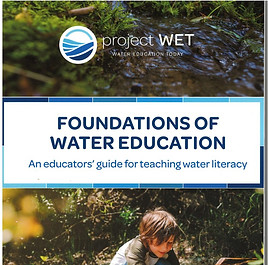
This is a hands-on K–12 water education program that provides activities and educator support through webinars and professional development workshops to help teach water, climate, and environmental topics.
Aquatic Biosphere (in Edmonton)
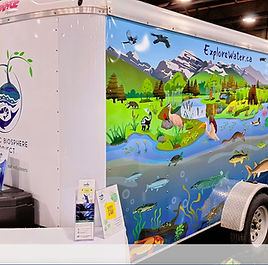
This is solar-powered, mobile interactive exhibit and conservation field station designed to educate people about Alberta’s aquatic ecosystems through hands-on activities, live species displays, and digital learning tools.

Edmonton and Area Land Trust
This activity is a hands-on experiment that teaches kids how soil, plants, and materials like mulch affect water filtration by comparing how clean water becomes as it passes through different setups.

Alberta Invasive Species Council
This activity book teaches youth how to identify invasive plants, understand their impacts on ecosystems, and take action to protect native species through engaging games and educational exercises.

North Saskatchewan Watershed Alliance (NSWA)
An educational trivia game which is a fun way for people to learn about their watershed and local environment. Four categories are: people, plants, animals, and water. Project and artwork was done by local students.
Wildlife ID Resources
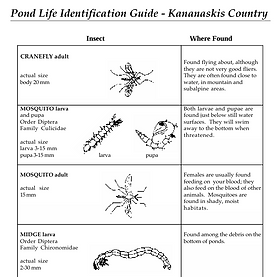
Hands-on learning about wildlife that call riparian areas home is an exciting and interactive way to get youth connected to shoreline health. Here are some tools that can help with their discovery.


Action Resources
Youth have the power to take action for our riparian areas. Here are some programs to support them on their quest.


North Saskatchewan Watershed Alliance (NSWA)
The Youth Water Council created the free education kits (featuring hands-on physical supplies and complementary online learning resources) to teach students about watershed health and environmental stewardship.
School Programs
Schools can take part in programs that encourage riparian stewardship

The Battle River Watershed Alliance
This hands-on program allows students to learn through real-world science as they collect macro-invertebrates, measure water and land data and consider local environmental impacts.

Caring For Our Watersheds
The program asks students to create a proposal for “What can you do to improve your watershed?” Students research their local watershed, identify a concern and draft a proposal containing 1 solution.